
When this idea popped into my head, I was on the bus heading to my (at-the-time dreaded) microeconomics class. To distract myself from the ordeal of graphs and numbers I was about to endure, I let my mind wander to my happy place: baking! That’s when the name Honeymine came to me, and I realized I could experiment with making desserts using honey instead of sugar. I began researching this to understand if there was a healthier way to enjoy our desserts; using natural sugar like honey
Before diving in, let’s take a quick scientific detour. Sugar plays a crucial role in baking—it does much more than add sweetness. It contributes to structure, tenderness, moisture, and even extends the shelf life of baked goods. It also helps create a crust and the golden brown color we love, thanks to the caramelization reaction.
When using honey, a similar process occurs, but it’s called the Maillard reaction. This reaction happens between proteins and reducing sugars (like glucose, fructose, or maltose) and is responsible for that delicious browning. For instance, in meringues, it’s the egg whites’ protein that interacts with the sugar or honey. Because sugar does so much more than just sweeten, completely substituting it with honey can be a challenge.
Through trial and error, here are a few things I’ve learned about using honey in baking:
- Honey is typically used to add its distinctive flavor, similar to how you’d use vanilla or almond extract.
- Completely replacing sugar with honey can be tricky in desserts like meringues.
But I wasn’t deterred—I had to try. My first attempt at honey meringues? Let’s just say they were more like sad, deflated clouds. (I’ll spare you the pictures!) It took countless tests and lots of experimentation, but I eventually cracked the code.
Key Challenges When Baking with Honey:
- Strong Flavor: Honey’s taste is much more pronounced than sugar’s, which can overwhelm simple recipes like meringues that don’t have much flavor to start with.
- Cost: High-quality honey, especially raw and organic, is far pricier than sugar, so it’s important to use it sparingly.
- Liquid Consistency: Unlike sugar, honey is a liquid, which impacts the overall ratio in recipes. It can affect texture and make batters less sticky or thick than traditional ones.
Tips for Making Honey Meringues:
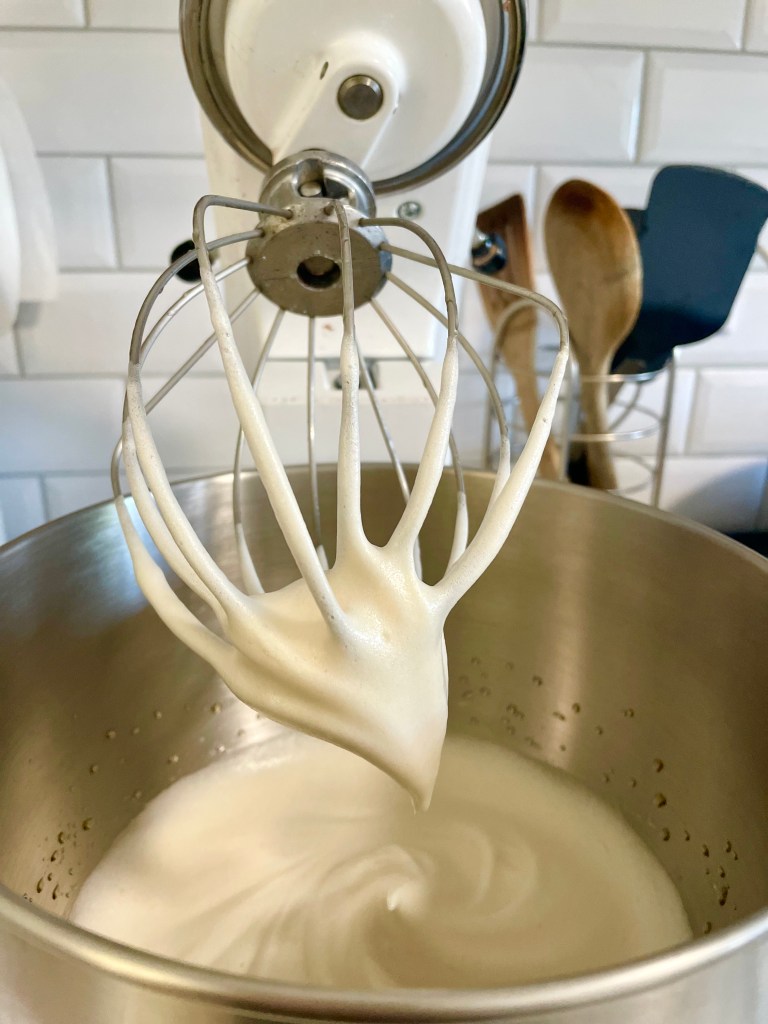
Honey’s higher liquid content results in a lighter, more bubbly batter compared to traditional meringues. The process also differs from French meringues, which involve adding caster sugar gradually to whipped egg whites. Instead, it’s closer to the method used for Italian meringues.
Now that we’ve covered the basics, let’s get to the recipe!
Honey Meringues
Ingredients
Yields: Number of meringues depends on their size
- 2 egg whites
- ⅓ cup honey
- 3 teaspoons water
- Vanilla extract
Preparation
Step 1:
Line a baking tray with parchment paper, and preheat your oven. In a pot, heat the honey and water. This step is important as it melts the honey, making it easier to incorporate into the egg whites.
Step 2:
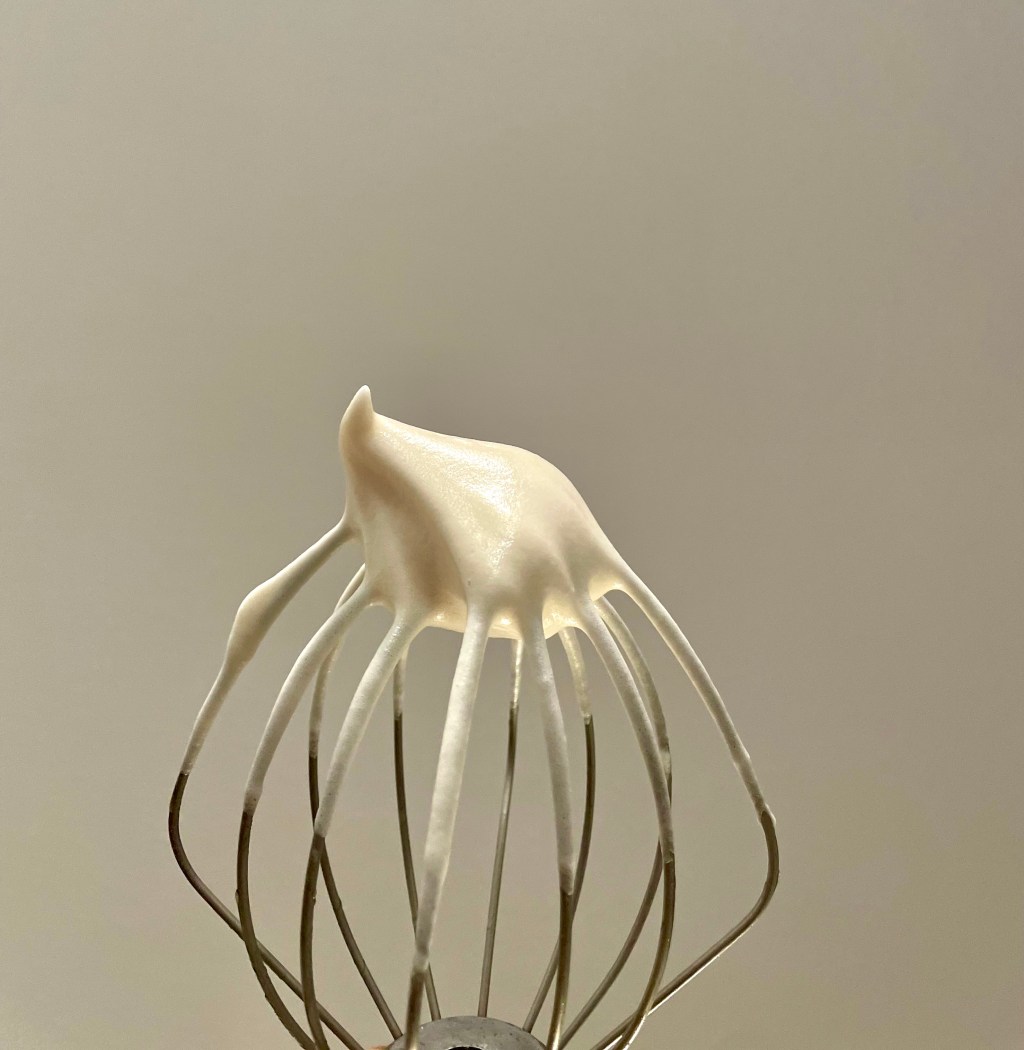
While the honey is heating, separate the eggs and whip the egg whites in a bowl until slightly foamy. The texture should resemble a bubbly bath.
Step 3:
Once the honey mixture reaches a simmer, remove it from the heat. While whipping the egg whites on low speed, slowly and steadily pour the honey mixture down the side of the bowl, maintaining a consistent pour.
Step 4:
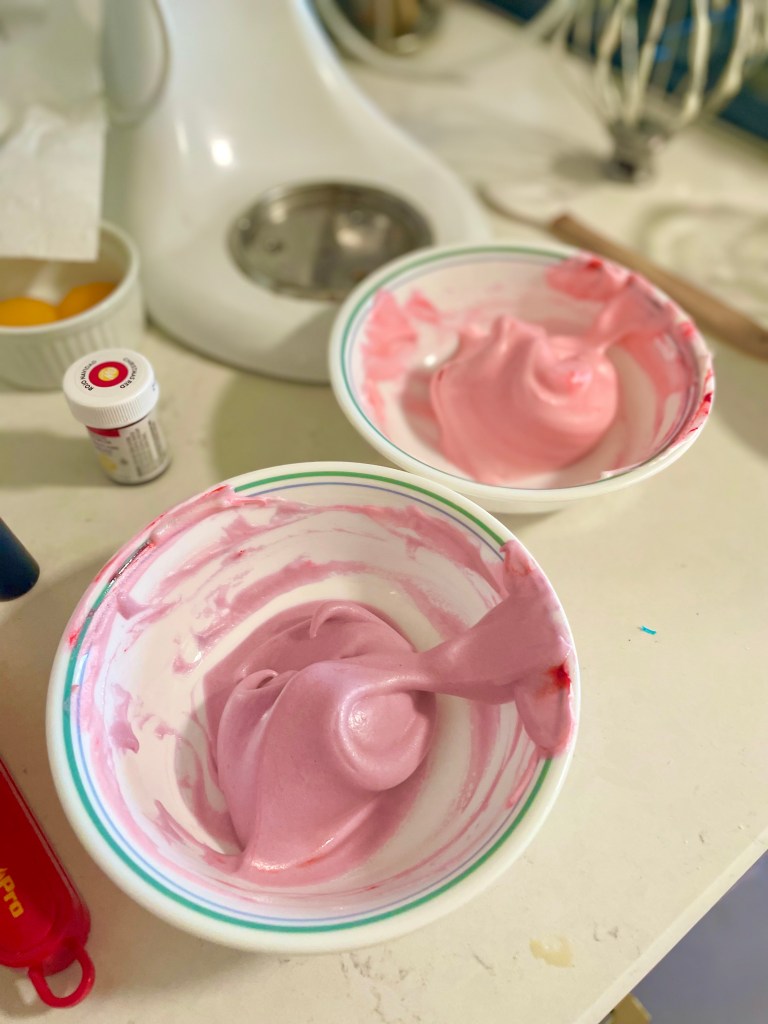
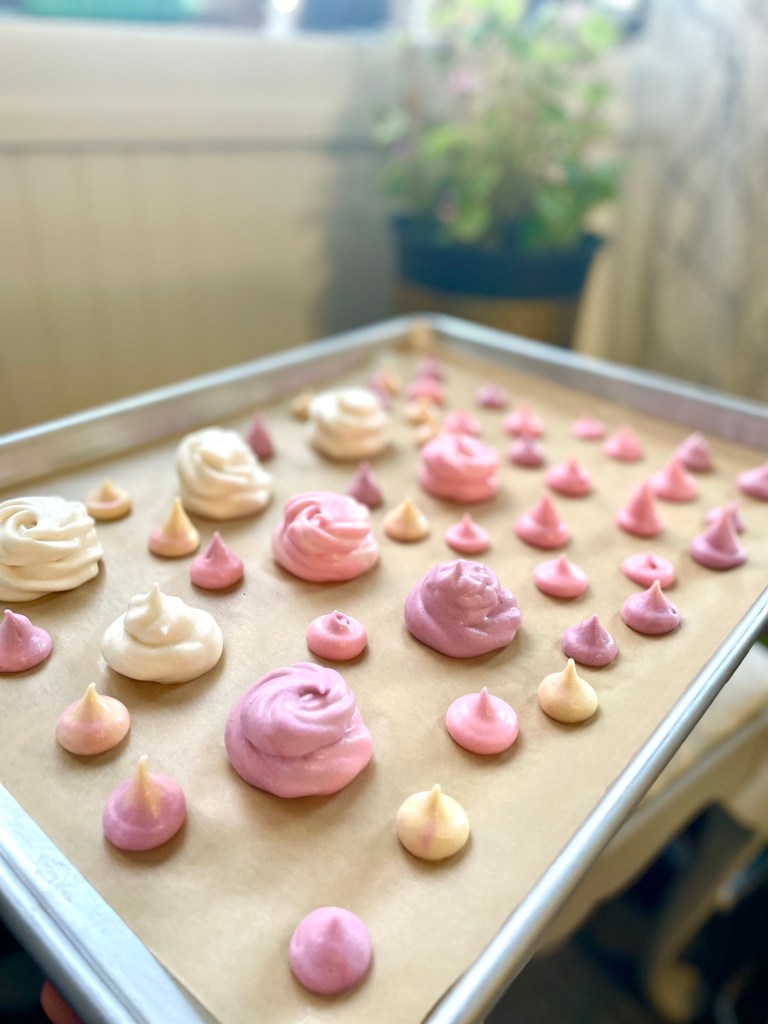
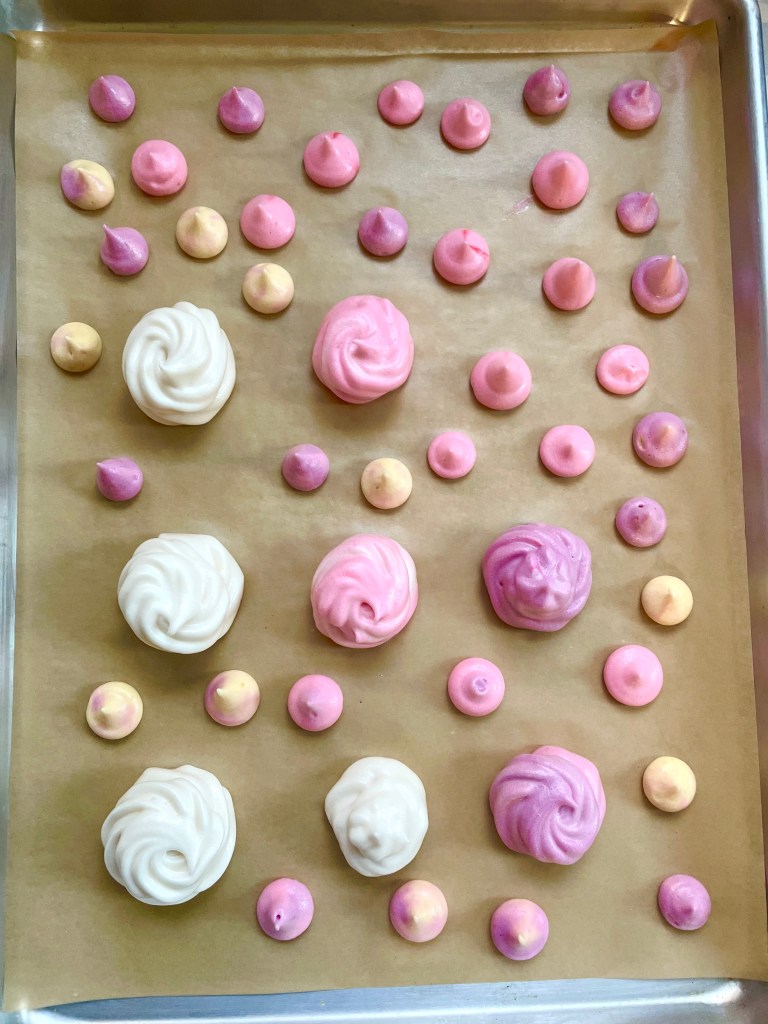
Once the honey is fully incorporated, add the vanilla extract. You can also add food coloring at this point if you would like. Transfer the mixture to a piping bag with a tip or use spoons to dollop it onto the prepared baking tray. Pro tip: use a bit of the mixture at each corner of the parchment paper to keep it in place.
Step 5:
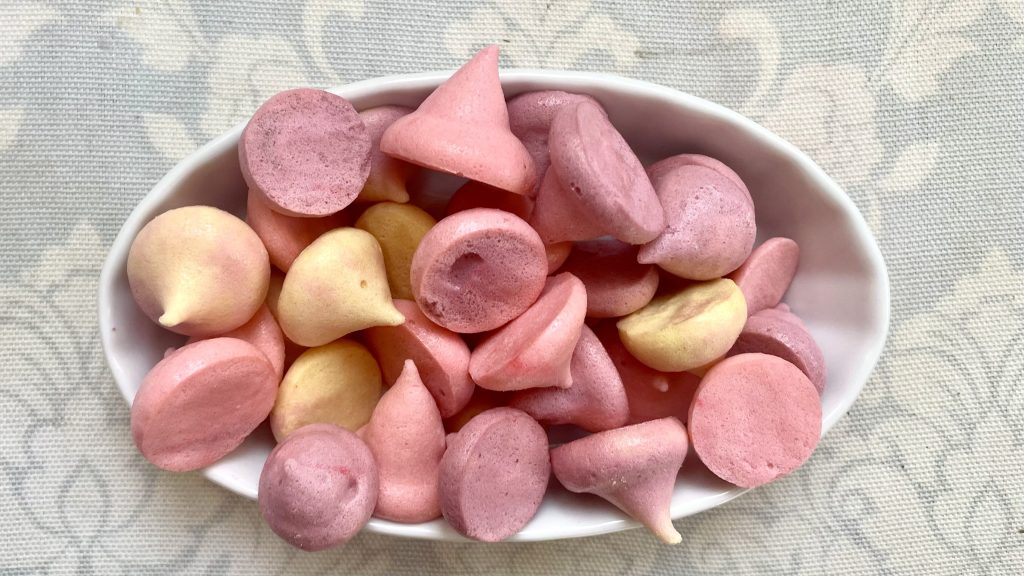
Bake for about 50 minutes, keeping an eye on the meringues to ensure they don’t brown excessively. Because of the honey, they’ll naturally have a slight golden-yellow tint, unlike sugar-based meringues.
Step 6:
Let them cool, then enjoy with a cup of tea!


 HONEYMINE